
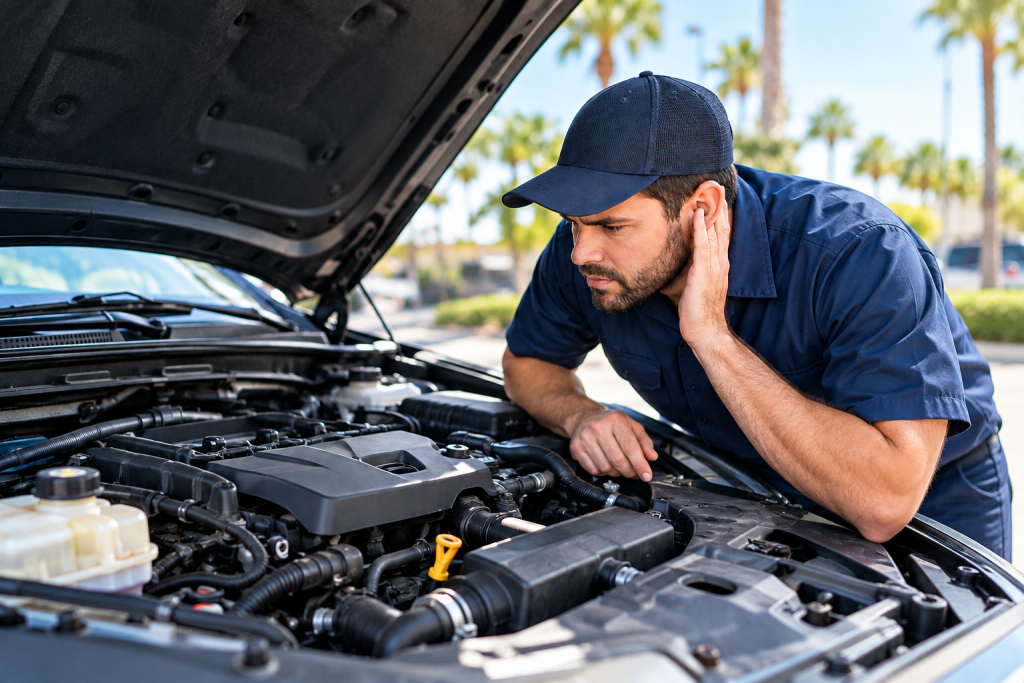
Alaska winters do not forgive a poorly prepared vehicle. When temperatures drop well below zero, a small weakness in your battery, tires, or fluids can leave you stuck in a parking lot or on the side of the Glenn Highway. The questions below come up again and again from Anchorage drivers getting ready for the cold, and the answers will help you decide what to do before the first hard freeze arrives.
When Should I Start Winterizing My Car in Anchorage?
Early fall is the best time, usually September or early October. Waiting until the first snowstorm means you are competing with every other driver for appointments, parts, and tires. Starting early also gives you time to fix anything you find, rather than discovering a weak battery on the coldest morning of the year.
What Does Winterizing a Car Actually Involve?
Winterizing is a set of checks and services that prepare your vehicle for freezing temperatures, snow, and ice. A thorough winter prep covers the battery, the cooling system, tires, brakes, wipers, lights, belts, hoses, and fluids. It also includes making sure your engine heating equipment works and that you carry the right emergency supplies. Think of it as a full health check aimed at the problems cold weather exposes.
Do I Really Need a Block Heater?
For most Anchorage drivers, yes. A block heater warms the engine coolant, which makes the engine easier to start and reduces wear during a cold start. Cold oil is thick, and an engine that has sat all night at ten below has a hard time turning over. A block heater lowers that strain and gets heat into the cabin faster.
If your vehicle already has one, test it before winter. Inspect the cord for cracks, check the plug, and confirm the outlet you use is working. A damaged cord is a fire and shock hazard. If you do not have a block heater, a technician can tell you whether one can be installed on your engine. Many drivers also use a battery warmer or an oil pan heater on especially cold days.
How Long Should I Plug In My Car?
Most of the benefit comes in the first two to four hours. Plugging in all night is usually unnecessary and wastes electricity. A simple outdoor timer lets you set the heater to turn on a few hours before you leave, which saves power and still gives you a warm engine in the morning.
Why Does My Car Struggle to Start in the Cold?
Cold does two things at once. It makes your battery weaker, since the chemical reaction that produces power slows down, and it makes your engine harder to turn, because oil thickens. A battery that works fine in summer can lose a large part of its starting power at freezing temperatures. We go into this in more detail in our article on why your car struggles to start in cold weather.
How Do I Know If My Battery Will Make It Through Winter?
Have it load tested before the cold sets in. A battery that is more than three or four years old deserves special attention. Slow cranking, dim headlights, and a clicking sound when you turn the key are all warning signs. Clean corrosion from the terminals and make sure the cables are tight. If the battery is weak, replacing it in October is far easier than replacing it when the car will not start at twenty below.
What Kind of Tires Should I Use in Anchorage?
Dedicated winter tires are strongly recommended. They use a softer rubber compound that stays flexible in the cold and a tread pattern designed to grip snow and ice. Many drivers choose studded tires for extra traction on icy pavement, and studded tires are permitted in Alaska during specific dates set by the state. Check the current rules before you switch.
Whatever you choose, check tread depth and tire pressure. Cold air lowers tire pressure, so you may need to add air as temperatures fall. Underinflated tires wear faster and grip poorly.
Is the Right Antifreeze Really That Important?
Absolutely. Coolant protects your engine from freezing as well as overheating. If the mixture is too weak, the fluid can freeze and crack the engine block or radiator, which is an extremely expensive repair. A technician can test the freeze protection with a simple tool and tell you if the coolant needs to be topped off or replaced. Old coolant also loses its anti corrosion additives, so follow the replacement interval in your owner’s manual.
Should I Switch to a Different Oil?
Many manufacturers recommend a lower viscosity oil for cold climates, because thinner oil flows more easily at low temperatures. Full synthetic oil usually performs better in extreme cold than conventional oil. Check your owner’s manual for the approved grades, and ask your mechanic what suits your engine and your typical winter conditions. Fresh oil before winter is always a good idea.
What Should I Check on My Brakes and Suspension?
Snow and ice make stopping distances longer, so your brakes need to be in good condition before the roads get slick. Have the pads, rotors, and brake fluid inspected. Check that the suspension and steering components are tight, since potholes and frost heaves can be hard on them during the thaw and freeze cycle.
How Often Should I Replace Wiper Blades and Washer Fluid?
Replace the wipers every fall. Cold hardens the rubber, and worn blades smear slush and road salt across the windshield. Choose winter blades if you can, since they resist ice buildup. Fill the washer reservoir with a fluid rated for extremely low temperatures, because ordinary fluid can freeze in the lines. Visibility is a safety issue when the sun barely rises above the horizon.
What Should I Keep in the Car for Emergencies?
An emergency kit is not optional in Alaska. Pack the following items and keep them in the car all winter:
- Warm blankets, extra gloves, hats, and boots
- A flashlight with fresh batteries
- Jumper cables or a portable jump starter
- A small shovel, an ice scraper, and traction aids such as sand or cat litter
- Water and high energy snacks
- A fully charged phone and a power bank
- Flares or reflective triangles
Keep your fuel tank at least half full as well. A fuller tank reduces condensation in the fuel system and gives you a safety margin if you are stuck.
Can a Mobile Mechanic Handle Winter Prep?
Yes, and it is often the most convenient way to do it. A mobile mechanic comes to your home or workplace and can handle battery testing and replacement, oil changes, coolant checks, brake inspections, belt and hose checks, and block heater diagnosis, all without you having to arrange a ride or lose a day. In a city where dark, cold afternoons make errands harder, that convenience makes it much easier to get everything done on time. We outline the broader benefits in our article on why mobile mechanics are better than traditional auto shops in Anchorage.
Get Ready Before the Cold Arrives
A properly winterized car starts reliably, handles better on snow and ice, and keeps you safer when conditions turn rough. The best time to prepare is before you need it, while the weather is still mild and appointments are easy to get.
To learn more about our services, visit our homepage. When you are ready to schedule your winter checkup, reach out through our contact us page and we will come to you anywhere in the Anchorage area.